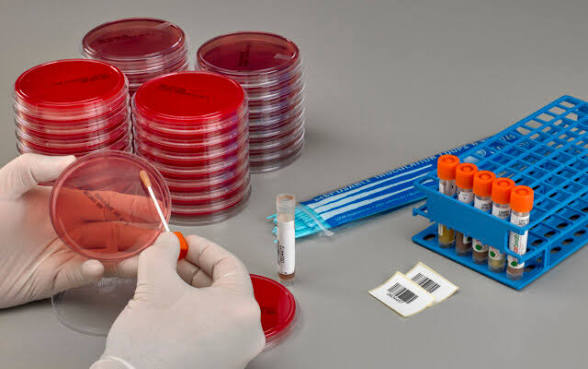
A microbiology course explores the fascinating world of microorganisms, including bacteria, viruses, fungi, protozoa, helminths, and prions. It examines their structure, function, genetics, metabolism, and ecological roles, as well as their impact on human health, industry, and the environment. Trainees learn about microbial growth, reproduction, and classification, along with methods for controlling harmful microbes through physical and chemical means. The course also covers host–microbe interactions, immunity, and the role of microbes in disease processes. Practical laboratory sessions typically accompany the theory, providing hands-on experience in microscopy, culturing, staining, and identifying microorganisms, preparing learners for applications in healthcare, research, and biotechnology.
- Teacher: Admin User
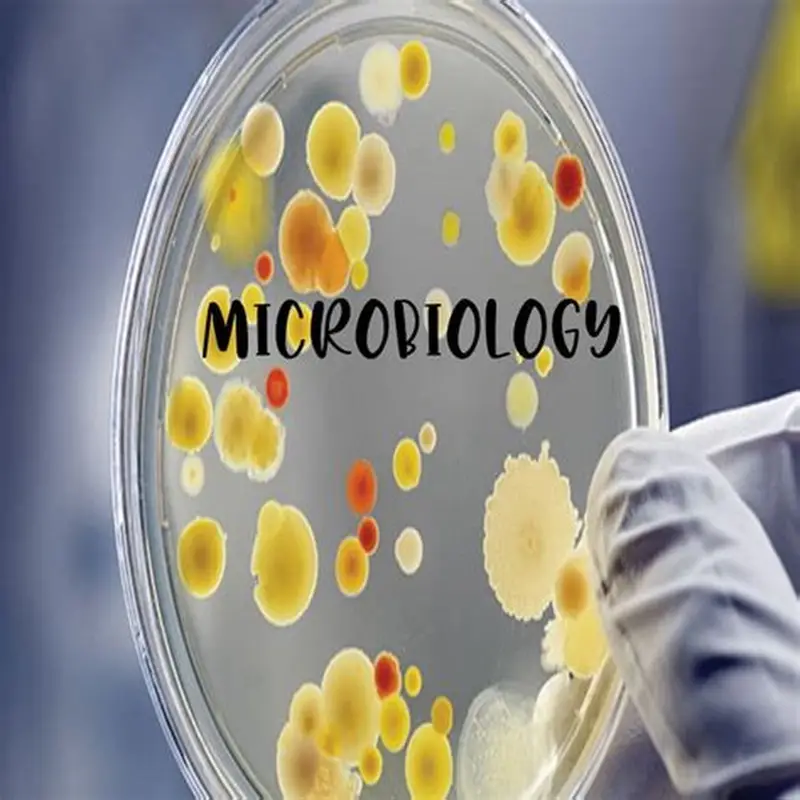
This course provides a comprehensive introduction to the study of microorganisms, including bacteria, viruses, fungi, and protozoa. Students will explore the fundamental principles of microbial structure, physiology, genetics, and ecology, as well as the roles microorganisms play in health, disease, industry, and the environment.
Key areas of focus include:
-
Microbial diversity and classification – understanding the taxonomy and evolutionary relationships of microorganisms.
-
Cell structure and function – examining prokaryotic and eukaryotic cell organization, metabolism, and growth.
-
Microbial genetics and molecular biology – exploring DNA replication, gene expression, and genetic variation in microbes.
-
Pathogenesis and immunology – studying how microbes cause disease and how the immune system responds.
-
Applied microbiology – investigating the use of microbes in biotechnology, food production, pharmaceuticals, and environmental sustainability.
-
Laboratory techniques – developing practical skills in microscopy, aseptic technique, culturing, and identification of microorganisms.
By the end of the course, trainees will have a strong foundation in microbiological concepts and laboratory practices, preparing them for advanced studies in biomedical sciences, biotechnology, public health, and related fields.
- Teacher: Admin User